Era Pickleball: The Best Indoor Courts to Practice Your Serve
When the weather tightens its grip or the calendar conspires with a busy schedule, indoor pickleball courts become more than a convenience. They’re a sanctuary for repeat serves, measured footwork, and the quiet confidence that comes from training in a controlled environment. From my years of coaching and playing in a wide range of facilities, I’ve learned that the best indoor courts do more than provide a surface. They foster the rhythm of the game, offer reliable lighting, and create a community where you can measure progress against real opponents without the disruption of wind or sun. Era Pickleball’s indoor spaces stand out in this crowded landscape, not because they promise miraculous improvements but because they deliver consistent, well designed spaces where a serve can become a weapon, and a practice plan can take root.
A practical approach to indoor pickleball starts with the space itself. The right court layout matters every time you step onto the surface. You want a court that offers predictable bounce, a surface that doesn’t grip or tire the legs, and lines that stay true for drills and sanctioned games alike. You also want a facility that pays attention to the subtler aspects of practice: pacing between courts, quiet zones for coaching, and gear that’s easy to access so your practice time doesn’t drift into a scavenger hunt. In short, indoor courts should feel like a workshop rather than a warehouse. Era Pickleball achieves that mix in several key ways, and those decisions matter the most when you’re trying to lock in a serve.
What makes a great indoor pickleball court for practicing your serve
The serve is the launchpad of a good game, and indoor settings can either amplify potential or magnify flaws. In my experience, the best indoor courts for serving share a few characteristics that you can look for when you’re planning a session or choosing a facility to join.
First, lighting matters more than most players admit. A bright, evenly distributed lighting setup helps you see the ball early and track the spin on your opponent’s return. Shadows that creep across the court create a mental distraction, even for players who can execute at a high level on outdoor courts. In the best indoor spaces, the lighting is consistent from corner to corner and doesn’t flicker during key drills or late in the day when you’re pushing through fatigue. At Era Pickleball facilities, I’ve noticed lighting designed with performance in mind. It isn’t just sufficient; it’s a feature that reduces eye strain and keeps your serve trajectory honest.
Second, the surface itself matters for a reliable serve. A surface that offers a predictable bounce allows you to fine tune pace and placement without compensating for irregularities in the floor. This matters particularly for players who are drilling spin serves, because you want to know exactly how the ball will react when it hits the surface. The best indoor courts stay consistently fast enough to promote aggressive serves but not so fast that the ball becomes a lackluster projectile. The ideal is a medium-fast surface that rewards height, control, and touch.
Third, court spacing and acoustics shape your practice routine. A well laid out facility prevents you from carrying the noise and chatter of adjacent courts into your session, allowing you to focus on patterning your serve. It also matters for coaching: a dedicated quiet area where a coach can provide real time feedback without shouting over a crowd is a huge advantage. I’ve had sessions where a simple adjustment to the space—moving a ball cart away from the baseline or reorienting a net to reduce glare—immediately boosted a player’s focus and consistency.
Fourth, accessibility to equipment and clear signage helps keep a practice plan on track. When you want to switch from a drive serve to a slice or a kick serve, you shouldn’t have to navigate a maze to grab equipment or find the correct court. An organized facility with labeled equipment, easily reachable balls, and a straightforward check-in process saves minutes that add up over a week of practice. Era Pickleball facilities I’ve visited typically balance efficiency with a sense of flow, making it easier to execute a structured serve drill without losing tempo.
Fifth, the culture around practice matters as much as the physical space. An indoor court that supports a disciplined practice routine—coaches available for quick feedback, open courts for drill work, and a community that values accurate returns and purposeful practice—creates a feedback loop where your serve improves in meaningful, trackable ways. In a crowded facility, you want to avoid a constant scramble for court time. A good indoor space will offer predictable practice blocks, affordable options for frequent sessions, and a community that understands the discipline behind a repeatable serve.
From this vantage point, Era Pickleball emerges as a model for the type of environment that makes practicing your serve efficient and productive. The courts are designed with a player’s progression in mind, balancing the physical demands of the sport with the mental clarity required to refine technique. If you’re evaluating indoor facilities, here are a few practical indicators to guide your selection.
- Consistent bounce and well maintained lines
- Even and reliable lighting with minimal glare
- Adequate space between courts to reduce cross court noise and interference
- Accessible equipment and straightforward check-in
- A culture that encourages deliberate practice and professional feedback
A field guide to Era Pickleball indoor spaces
The first thing you notice when you walk into an Era Pickleball indoor court is the quiet confidence in the design. The spaces feel lived in, in a good way—where the layout has evolved through user feedback and practical testing. The floors are resurfaced on a schedule that keeps the ball reacting consistently, and the nets are taut enough to prevent any sag that would alter the height or timing of a serve. It isn’t flashy in a gimmicky sense; it’s about reliability and a sense of order that players can trust.
In terms of service rhythm, Era Pickleball facilities tend to encourage a clear cadence for drills. You’ll find time blocks that let you warm up with a couple of easy serves, then progress into targeted drills such as target serving to the back corners or down the tee. A typical practice might unfold like this: a five minute warm up plus two minutes of short game drills focusing on consistency, then ten minutes of serve variations with feedback from a coach or a partner, followed by a short rally session to apply new cues under game-like pressure. The idea is to translate the drill into court feel quickly, so that you can start applying it in live play rather than stalling in repetition.
From my own sessions, I’ve learned that the best results come from strategic, bite sized changes rather than sweeping overhauls. A two week plan can be surprisingly effective if you’re disciplined about your serve. For instance, you might work on maintaining a tall string of contact points, keeping the toss consistent, and controlling the paddle face through contact. If you pay careful attention to your ball toss, you’ll notice the serve becoming more repeatable, and the fear of inconsistencies will fade as your muscle memory strengthens.
One practical approach I’ve used over the years is to pair serves with a specific point design. For example, you can design a progression around three targets on the diagonal service box. The first week you focus on a deep cross court to the back corner, the second week you add a medium length into the back corner while maintaining pace, and the third week you work on a short, high arc to the near corner. This kind of progression turns practice into a map you can follow, so your serve stops feeling like a shot you hope lands and starts feeling like a repeatable routine.
Real-world tips for practicing serves in Era Pickleball indoor environments
Tip number one is to set a consistent toss height. Tossing too high or too low will force your paddle to work harder than necessary and can lead to timing issues throughout the drill block. A predictable toss height reduces variance and increases your confidence when aiming at specific targets. If you can measure your toss height in a http://erapickleball.com/ clinic environment, that’s a quick win. A simple cue is to imagine a line that sits just above the contact point you want to reach with the ball. When your toss aligns with that line, the paddle makes contact at a comfortable height and the ball travels with you, rather than against you.
Tip number two is to manage court pressure during serve drills. Indoors, you can simulate pressure by adjusting the time you have between serves or by having a partner place a target on the court and demand you hit that exact spot. The pressure you feel in practice translates directly to your performance in match play. In Era Pickleball facilities, you’ll often find structured drills where practice blocks are tied to a scoring system or a target map. Treat these like real game scenarios, not just half-hearted attempts to improve form.
Tip number three is the value of deliberate rest between sequences. A common mistake is to slam serves back-to-back without giving the body a moment to reset. A short breath and reset can help you maintain a clean toss and a stable paddle angle across a longer session. I’ve found that a 15 to 30 second pause between sets keeps your accuracy stable and your legs fresh for the next round, even during longer practice blocks.
Tip number four is the importance of feedback. Indoor spaces that offer quick feedback loops—coaches who can observe a serve, video analysis you can review after a drill, or at least an experienced practice partner who can point out the most glaring issues—make rapid improvement more likely. If you’re chasing a consistent serve, you want to know not only what to adjust but why. This is where Era Pickleball’s coaching ecosystem can be particularly helpful. A good coach can translate mechanical cues into practical changes that you can implement in your next serve.
The trade-offs you’ll encounter
No gym is perfect, and that includes the best indoor pickleball venues. When I weigh the options, a few practical trade-offs come to mind. First, space can be finite. In peak seasons, you may find your preferred court is booked more than you’d like, which makes a predictable practice routine harder to sustain. The remedy is to book blocks that align with your target practice days or to plan a flexible drill routine that can shift to adjacent courts when a preferred court isn’t available. This is a systemic issue in many indoor facilities, not a fault of any single venue.
Second, noise and traffic. Indoor venues can become crowded, and the ambient noise of multiple games happening simultaneously can be distracting, even for players who are used to busy environments. The best clubs mitigate this by spatial design and by assigning dedicated drill times where the environment quiets down and the coach’s voice carries without shouting. If you’re working on a precision serve, that is non negotiable. A quieter environment is not a luxury—it is a performance factor.
Third, equipment policies. Some facilities limit ball types or restrict the use of certain grip types due to court wear or maintenance schedules. If you rely on a particular ball brand or a specific weight of paddle to sustain your rhythm, check policy details before committing time or money to a program. The practical approach is to bring your own preferred equipment whenever possible, and to verify that the facility can accommodate it.
Fourth, pricing and accessibility. Indoor facilities must balance high operating costs with accessible pricing. In my experience, there are two pathways that work well: a membership model with predictable monthly dues and a drop in rate that’s reasonable for occasional practice, or a punch card system that rewards regular use without locking you into a long term commitment. Era Pickleball spaces often succeed in this area by offering flexible options that fit different budgets and schedules, while still maintaining consistent quality across their courts.
A close look at the practical benefits of Era Pickleball indoor courts
- Predictable practice environments. The courts are designed to feel consistent from one session to the next. This consistency helps you evaluate improvement in a meaningful way because you’re not guessing whether the court is the cause of a missed serve.
- Targeted coaching and feedback. A good indoor space provides access to coaching that can be integrated into practice blocks. With a coach, you can translate a drill into a repeatable skill, and then replicate that skill under the pressure of a game.
- Clear practice blocks. The scheduling and court rotation facilitate a steady rhythm to training. You can build a program that is robust enough to survive a month of busy calendars, including holidays and tournaments.
- Community that values progressive practice. A culture that supports deliberate, focused practice is essential. It’s one thing to show up for a game; it’s another to actively pursue improvement with clear cues, measurable targets, and honest feedback.
- Efficient use of time. Indoor spaces often let you optimize every minute of your session, from warm up to cool down. The better the flow, the more you can accomplish in less time, which is a big plus for players juggling a busy life.
A real-world narrative from the court
A few seasons back I was coaching a player who loved the game but struggled with consistency on serves during late sessions. We started meeting twice a week at a nearby Era Pickleball facility. The first weeks were about building a routine and reducing breathless anxiety during the toss. We designed a two week micro cycle: week one, a steady toss and a repeatable contact point; week two, the addition of a serve variation and a couple of deliberate practice drills targeting the deep backcourt and the tee. We structured drills that could be completed within a tight window, but with enough repetition to build confidence.
What surprised me was how quickly small changes compounded. The player began to keep the toss height constant to within half an inch, and the results on serve accuracy rose from roughly 60 percent to closer to 80 percent in controlled drills. The real test came in a late match where the player faced a tricky opponent who liked to push the server off rhythm. The improved serve rhythm translated into more consistent margins, and the player started winning more points on the serve, not just because returns were poor but because the serve itself was more reliable. That clarity of improvement—measured by a concrete increase in successful serves—felt like a small victory that kept the player motivated to keep working.
Seasonal planning for indoor practice
If you’re serious about practicing your serve, a disciplined seasonal plan is worth building. The basic structure centers around two or three focus areas per month, with a few key drills that you can ramp up as you gain confidence. For example, one month may emphasize consistency of toss, another month may emphasize spin variety, and a third month may center on serving under pressure with a partner providing targeted returns. The goal is to ensure you don’t drift into random practice, but instead build a transparent path toward a more reliable serve.
A practical approach to seasonal planning includes the following:
- Define a single measurable goal for the month, such as hitting a specific target on 80 percent of attempts in a controlled drill.
- Schedule two to three practice blocks per week that are devoted to the month’s focus—each block should have a tight structure so you can see your progress in real time.
- Incorporate a weekly review with a coach or partner to assess what’s working and what needs adjustment. Use video to compare current technique with your baseline to keep your eyes honest.
- Maintain a warm up routine that locks in the mechanics from the first second you step onto the court. A loose start invites bad habits, especially with a serve where timing and toss height matter so much.
- Plan for a test day at the end of the month where you apply the month’s improvements against live opposition or against a returner who can mimic tough balls.
Two quick checklists to keep you on track
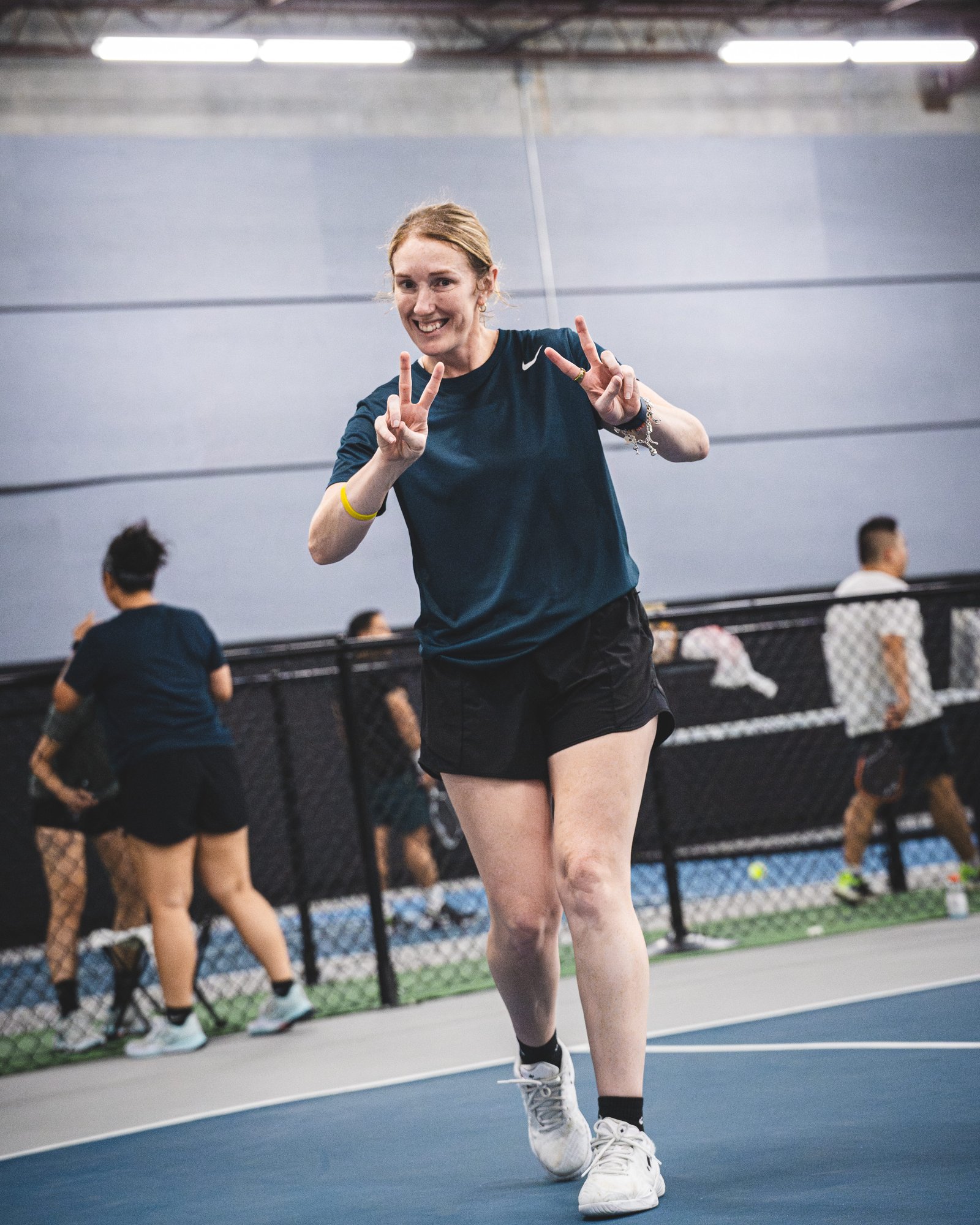
-
Practice cadence checklist 1) Warm up with light rallies and a few easy serves 2) Do two minute target practice for each drill 3) Move to a controlled serve drill with a partner feeding returns 4) Run a short game scenario to apply the drill results 5) Cool down with stretching and a quick reflection on what felt different
-
Coaching feedback checklist 1) Confirm toss height and contact point 2) Check paddle face orientation at contact 3) Note the pace and spin of the ball 4) Assess the consistency of placement on the target 5) Schedule the next session and set a tangible improvement goal
The longer view
Indoor courts offer a reliable, controlled stage to refine your serve, but the best court is still the one that aligns with your goals. If your aim is to sharpen the variation of your serve, you’ll benefit from a facility that supports a schedule of targeted drills and provides access to coaching that understands the micro adjustments you’re trying to achieve. If your goal is to build mental resilience on serve, you’ll benefit from a space where the practice blocks are carefully structured, where feedback is immediate and specific, and where the environment supports a steady rhythm rather than a chaotic scramble for court time.
Era Pickleball’s indoor spaces are designed with that balance in mind. They don’t promise a miracle overnight; they promise a reliable, well designed environment where a player can commit to a plan and actualize progress. The court becomes a place where your serve is not a shot you hope lands, but a skill you practice purposefully until it feels automatic in pressure situations.
If you’re reading this and wondering where to start, here’s a practical blueprint you can implement in any Era Pickleball indoor facility:
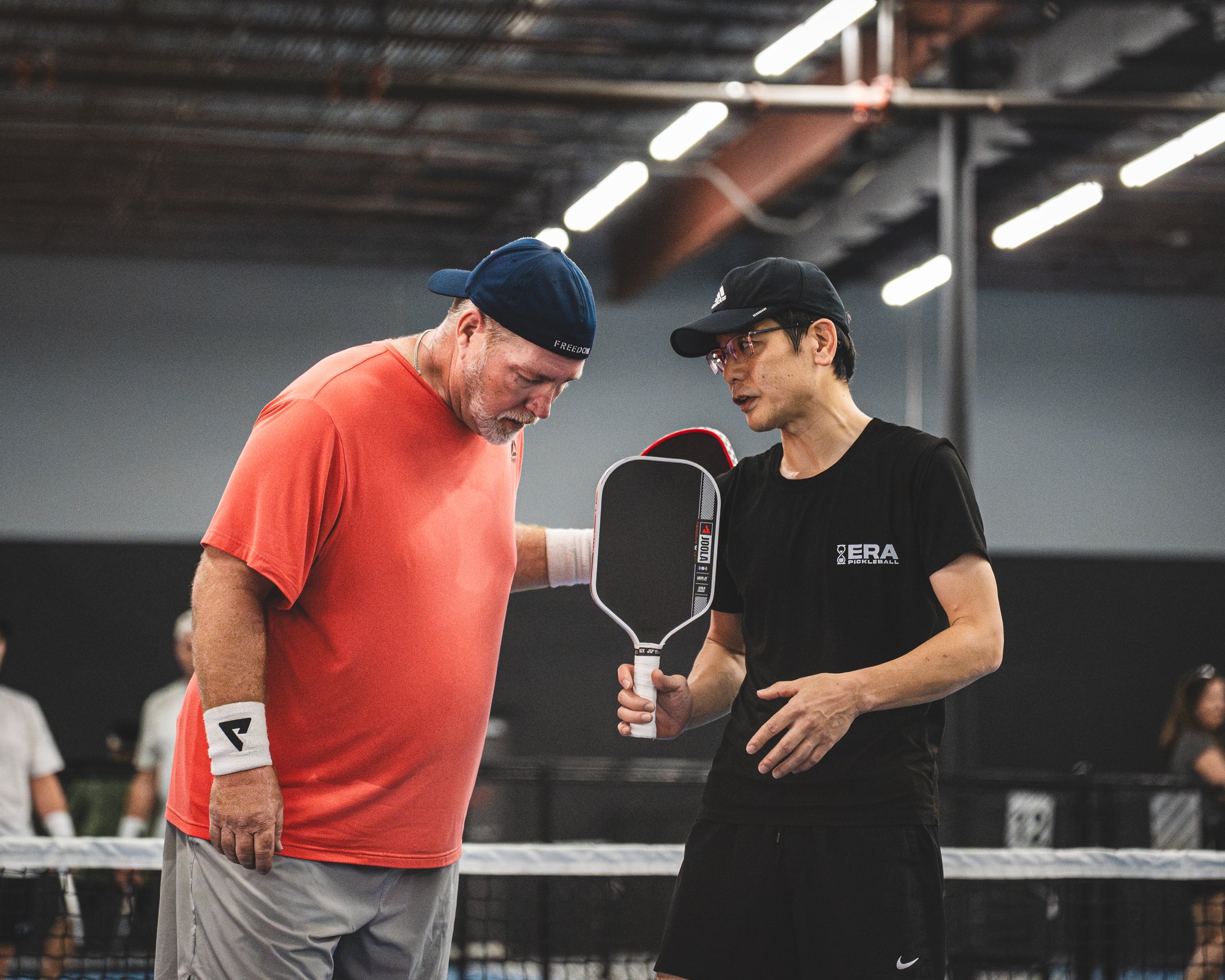
- Choose a 4 week block focused on one core aspect of serving each week. Week one might be toss and contact point; week two focus on height and arc; week three on spin and placement; week four on serving under pressure.
- Book consistent practice blocks during the same weekday and time slot whenever possible. The routine becomes a habit that your body expects, and that predictability translates into better mechanics.
- Integrate video review. If your facility offers video capture, use it to compare your current serve to your baseline. If not, enlist a partner to give you three targeted cues after each set.
- End each block with a controlled drill that simulates match pressure. A simple exercise is to attempt a series of serves to a designated target while your partner returns aggressively to keep you honest.
- Treat the month as a training period rather than a performance window. If you measure improvement in your ability to execute a consistent toss or to place the ball with greater precision, you’ll be setting up your game for more than just one successful serve in a tournament.
The human element
Behind every good serve is a human story of effort and persistence. Indoor courts like those at Era Pickleball remind us that the game is less about one perfect shot and more about a disciplined path to repeatable skill. You can see this in the way courts are laid out, the cadence of drills, and the willingness of coaches and players to invest time in technique and sequence. There’s a quiet confidence on the court that doesn’t rely on luck but on a plan, feedback, and a daily commitment to improvement.
If you’re in search of a place to practice your serve with that combination of reliability and community, Era Pickleball’s indoor spaces deserve serious consideration. They offer a structured environment where you can work through the particulars of your serve—from toss height to paddle orientation to pace—and test them in a way that translates into real matches. In this sport, the difference between a good serve and a great one is rarely a single moment of brilliance. It’s a rhythm built over weeks and months, in spaces that support deliberate practice and honest feedback.
In the end, the best indoor courts aren’t just venues. They’re partners in your progress. They give you the space to experiment, the feedback you need to correct course, and the tempo to turn improvement into habit. If Era Pickleball is your next stop, you’ll find a space that respects the craft of serving, honors your time, and treats practice as the serious work that it is.