Pickleball Center Era Pickleball: Getting Started Guide
If you’re curious about the world of Era Pickleball, you’re not alone. The pickleball center scene has evolved into a place where casual matches blend with coaching, clinics, and mission-driven community-building. Era Pickleball has carved a niche that sits at the intersection of welcoming beginner programs and robust training for serious players. This guide is designed to help you move from curious spectator to confident player, whether you’re stepping onto your first court or upgrading to rental time at era pickleball center facilities.
The first thing to know is that Era Pickleball is more than a venue. It’s a hub that levels the playing field for newcomers while offering pathways for growth. The center’s philosophy centers on accessibility, structured guidance, and a culture that celebrates steady improvement. You’ll find a spectrum of offerings under the umbrella of erapickleball.com pickleball center, from introductory classes at a pickleball academy to flexible court rental options that suit a busy schedule. The aim here is to translate that philosophy into practical steps you can apply on your first visit.
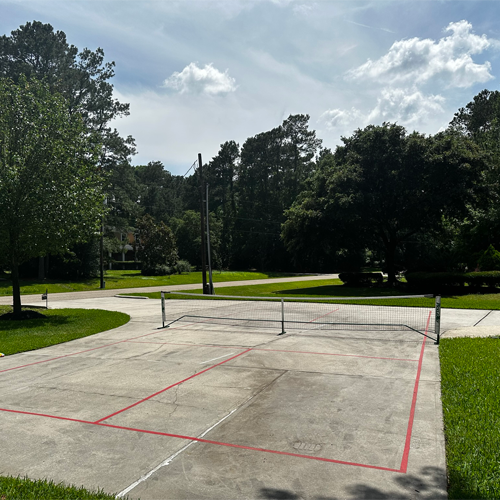
A practical starting point is understanding what you want out of your time on the court. For some players, the aim is social—and that means friendly rounds with calibrated instruction to keep everyone engaged. For others, the goal is measurable improvement, which calls for structured drills, video feedback, and even small-group coaching. Era Pickleball centers tend to blend both approaches in a deliberate rhythm, so you can enjoy play today while building a skill set that compounds over weeks and months. The key is choosing the path that fits your pace and your schedule, then letting the center’s resources guide you along that path.
Setting expectations about equipment, facilities, and availability pays dividends early. If you’re new to pickleball, an introductory lesson or a short clinic can demystify the court, the dink, the drive, and the serve. If you’re returning after a break, you’ll appreciate a quick refresher on grip, stance, and shot selection to reestablish confidence. Era Pickleball centers often provide high-quality paddles, balls suited to the playing surface, and courts with measurements and nets calibrated for consistent play. That consistency matters when you’re learning the geometry of the game—how the ball flies, where to place your paddle for a reliable drop shot, and how the speed of a rally can change the pace of a match.
The real magic of this space emerges when you combine a welcoming lobby with purposeful practice. A well-run pickleball academy under erapickleball.com pickleball academy can anchor your progress. You’re not simply renting time; you’re entering a learning loop. The best academies pair court time with coaching that’s tailored to your level. They track improvements across rally length, shot variety, and decision making under pressure. In practice, this means you’ll get feedback that is both specific and actionable, rather than generic coaching pointers that sound encouraging but don’t move you forward.
As you prepare for your first sessions, you’ll also notice the rhythms of a pickleball center that has learned to balance demand with quality experiences. Peak hours can be busy, but good operations make it possible to book a court, join a clinic, or drop into a drop-in drill without waiting for long. If you’re juggling work, family, or study, you’ll appreciate centers that offer flexible rental options, short-form clinics, and a clear path to longer-term participation. The operational side matters because it shapes your ability to practice consistently. Consistency builds muscle memory, and muscle memory translates into more confidence on any court you play.
In this guide, you’ll find a clear map to getting started, with practical steps, practical tips, and a sense of what a great Era Pickleball experience looks and feels like. We’ll move through choosing programs, preparing for your first session, what to expect on court, and how to sustain momentum once you’ve dipped your toe into the Era Pickleball ecosystem. You’ll also see how renting a court at an established pickleball center compares to other options, and why a dedicated fitness- and technique-forward environment matters for developing skill and enjoyment in the sport.
Choosing the right starting point
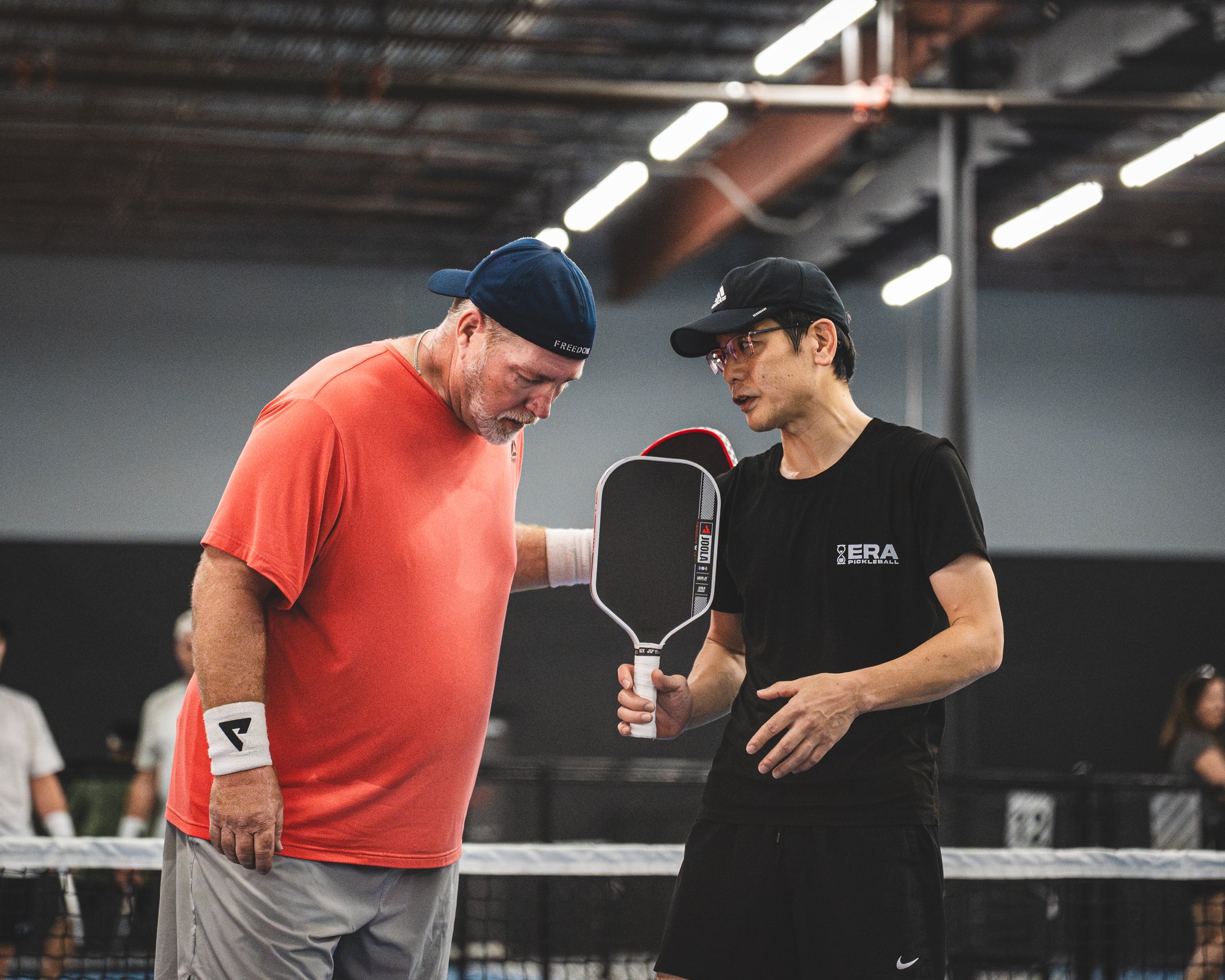
Your first decision is what kind of entry point fits your goals. If you’re brand new, a beginner-friendly class layered with gentle coaching can demystify the sport, teaching you the fundamentals of grip, stance, and shot selection in a supportive environment. If you’re joining with a group of friends, a social league or a clinic that emphasizes rallying and point structure can be a fun way to build comfort without the pressure of scoring against more experienced players. If your aim is serious improvement, look for a pickleball academy program that pairs daily play with feedback loops, video reviews, and progression milestones. Era Pickleball centers frequently offer multiple tracks that converge over time, so you can start casual and shift toward competition or vice versa as your skill develops.
The social dimension also matters. A well-run center will cultivate a sense of belonging through cheerful staff, accessible coaching, and regular casual play. A friendly welcome can change a first impression from overwhelming to inviting, and that emotional gateway matters as much as technique in sustaining participation. You’ll often hear players recount how a quick drill or a short lesson changed their perspective on the game, transforming nerves into curiosity and finally into a habit. In my own experience, the best sessions were the ones where the coach noticed a small adjustment—an inch of paddle position, a subtle shift in stance—that unlocked a more reliable return. These tiny improvements accumulate, and they’re exactly what keeps a beginner coming back.
What to expect in a typical first find out more month
A first month at a pickleball center like Era Pickleball often unfolds in three movements: orientation, intake, and momentum building. Orientation is your time to learn the lay of the land. You’ll confirm court booking procedures, check in with the front desk, and perhaps attend a short introduction to the center’s coaching philosophy. Intake is where you begin to map your current level and identify your goals. You might take a couple of beginner lessons, join a low-stress open play period, and get assigned to a coach or mentor who can help you structure practice sessions outside the weekly clinics. Momentum building comes as you lock in a schedule, implement drills, and start seeing your rally lengths extend, your errors drop, and your confidence rise.
A practical detail that can make or break the early weeks is time management. It’s easy to schedule three back-to-back one-hour blocks and arrive exhausted for the third. On the other hand, a light, steady cadence can yield higher retention and faster improvement. I’ve found success by reserving one day for drills and one day for free play, then letting the week’s outcomes guide adjustments. If you’re working with an Era Pickleball pickleball academy, your coach will likely emphasize deliberate practice—short, focused sessions that address a single skill area, followed by a rep-focused period where you apply it in more dynamic rally contexts.
An important nuance is how the center handles equipment and court readiness. On the best days, paddles feel balanced and comfortable in your grip, balls pop cleanly off the court without hard bounces, and nets stay taut. When equipment or court conditions are a little inconsistent, your practice quality can suffer. This is not a reason to avoid the center but a reminder to ask for a quick check when you arrive. A simple adjustment, such as a paddle upgrade or a minor net tension tweak, can remove a week’s worth of suboptimal practice and set you up for clearer progress.
From visitor to regular, a transition occurs when you start recognizing that practice translates into match performance. Your first wins on a dink volley or a well-placed drive give you real feedback that your decisions are improving. The more you notice your own progress, the more you’ll want to keep showing up. Era Pickleball centers often have social leagues that run in parallel with clinics, so you can test your growth in small, low-pressure formats. If your short-term goal is building confidence, you’ll likely orbit around the social aspects while weaving in technique-focused sessions. If your objective is serious improvement, you’ll align your schedule with progressive coaching and targeted drills.
Court rental: options, constraints, and best practices
If your schedule doesn’t mesh with a class or a formal program, court rental provides the flexibility to practice on your terms. A dedicated space for solo practice, with a few friends or a personal coaching session, can be extraordinarily productive. The difference with a center like Era Pickleball is the quality of the court environment. You’re not simply paying for time; you’re paying for predictable court conditions, access to maintenance-minded facilities, and the option to book with peers for doubles or small-group rounds. Rental hours are typically designed to accommodate beginners and advanced players alike, with clear policies on peak times, rate structures, and equipment access.
When you rent a court, think about how you’ll structure that time. It’s easy to drift into mindless rallying and lose the opportunity to work on specific skills. Instead, bring a short plan: one or two drills you want to execute, a target rally length to work on consistency, and a simple scoring framework to keep your motivation high. A good practice plan translates even when fatigue arrives late in the session. If you’re using erapickleball.com pickleball center resources, you’ll often find templates or guidance that align with coaching philosophies at the center, which can help you stay disciplined even during casual rental sessions.
A note on safety and etiquette. Pickleball has a steep learning curve for footwork, shot selection, and court awareness. Wear supportive court shoes with good tread to navigate the resin or wood surfaces without slipping. Hydration matters, especially if you’re practicing during busy times when the court temperatures can rise. Etiquette revolves around sharing a line, calling faults clearly and calmly, and keeping a positive tone with partners and opponents alike. The goal is to create a space where people feel encouraged to learn and take risks on the court.
A deeper dive into the Era Pickleball ecosystem
The scaffold around the court is what keeps the experience coherent and scalable. The pickleball academy side of the operation emphasizes progression, with structured curricula that map to skill trees. You’ll often see leveling guides, which translate the intangible sense of “improving” into measurable milestones—short rallies of consistent returns, the ability to execute a fourth shot into a strategic zone, or the confidence to approach the net on a controlled basis. Coaches will use video review and in-session feedback as a core method, which helps you see exactly where your technique is improving and where it remains stuck.
Community connection is another backbone of Era Pickleball. The center’s calendar typically hosts social play, beginner nights, and family-friendly events designed to bring people into a shared experience rather than a solitary grind. This approach matters because consistent participation is hard to sustain in isolation. When you know there are people who are cheering your tiny improvements, you’re more likely to keep showing up, even on a tough day. The social aspect is not an afterthought; it is a deliberate design choice to reinforce learning and enjoyment.
To bring this back to practical steps, here’s a pathway you can follow if you’re just starting:
- Step into a beginner-friendly clinic or introductory session to learn the basics in a supportive setting.
- Schedule regular court time that balances drills, free play, and social rounds, ensuring you don’t burn out or overtrain in a single week.
- Use the center’s coaching resources to set a short-term goal and a longer-term trajectory, then monitor progress with a coach or mentor.
- Integrate equipment checks and court conditioning into your routine so that practice feels smooth rather than punishing.
- Stay engaged with the community aspects of Era Pickleball centers, allowing social play to complement skill development.
Two practical notes draw from real-world experience. First, your first month will often feel like a learning sprint more than a steady jog. Expect a mix of small wins and a fair share of awkward moments. That’s normal. The second note is about balance: you’ll get the most out of your time when you combine instruction with consistent practice, even if the practice is light on volume but high in focus. The center’s structure is designed to support exactly that kind of balance, so you can build momentum without burning out.
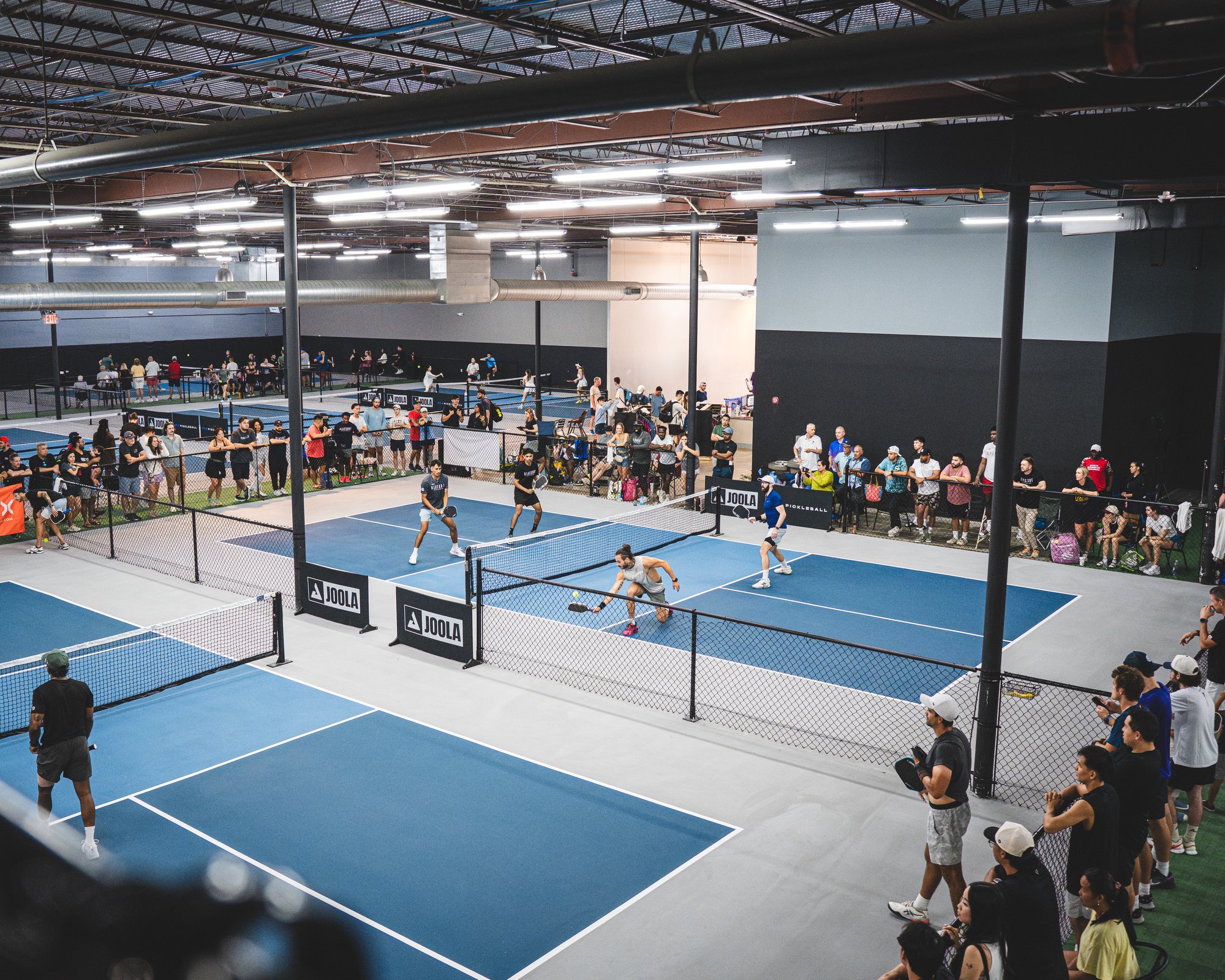
What makes a great session at Era Pickleball centers
If you want to know what separates a good session from a great one, look for a few indicators. A great session begins with a clear plan that aligns with your goals, whether you’re chasing a better forehand, a more reliable dink, or smoother movement in the midcourt. You’ll also notice coaches who tailor guidance to your current level, avoiding the trap of generic feedback that doesn’t address your specific challenges. A well-run session ends with recap: what you did well, what needs work, and a simple next-step plan you can execute in your next practice.
Another indicator is the quality of the court environment. Clean courts, consistent lighting, well maintained nets, and ready-to-play equipment all contribute to a sense of professionalism that reinforces learning. When the environment is supportive, your mind is free to focus on technique rather than logistics, and that mental space translates into better decision making during rallies.
Real-world challenges and how to handle them
No guide can erase the friction points that arise in sport. In pickleball, a few common challenges show up: adjusting to faster-paced rallies, managing fatigue during longer sessions, and maintaining accuracy as you attempt more aggressive shots. The Era Pickleball center experience helps mitigate these issues by layering skill-building with strategic practice. For example, if you’re struggling to maintain consistency under pressure, you might rotate through short, intense drills that push your reflexes, followed by longer, controlled rallies that stabilize your mechanics. The key is to keep the training focused and time-limited so fatigue doesn’t erode your technique.
Another challenge is the transition from social play to competitive play. It’s a different headspace, one that requires discipline and a willingness to study your opponents. Coaches who guide this transition help you develop anticipation, shot variety, and court awareness without sacrificing your enjoyment of the game. It’s a balance between mindset and technique, the sort of dual focus that distinguishes a good program from a great one.
A practical closing note on long-term engagement
If you’re reading this as a prospective member or a returning player, the most consequential move you can make is to commit to a cadence. The sport rewards consistency. The center’s calendar and programming are designed to help you sustain engagement through varied formats—one-on-one coaching, small-group clinics, open play, and court rentals—so you can adapt as your life changes. When you commit to a routine, you begin to notice patterns in your progress: sharper ball control, improved footwork, a steadier serve, and a more confident presence at the net.
There’s a human element to this that matters, too. The best players I’ve observed share one trait: they treat practice as a living practice, not a checklist. They show up with an intention, they listen to feedback, and they adjust in the moment. They aren’t chasing perfection; they’re chasing reliable growth that compounds over time. I’ve seen beginners become solid players and players who once dreaded drills become the first ones ready to test a new shot in a match.
A note on the “why” behind Era Pickleball’s approach
The philosophy behind Era Pickleball centers on accessibility, tangible skill growth, and a sense of belonging. It’s not about offering the flashiest features or the most bells and whistles. It’s about delivering a coherent experience that respects the learner’s time and ambition. The pickleball center is a place where you can learn to move efficiently, think strategically, and enjoy the moment of contact when the paddle meets the ball. It’s a space that invites you to meet your own potential on the court, with coaches who guide you gently yet firmly toward measurable progress.
As you embark on this journey, the most important thing to remember is that your starting point is not your destination. The first steps—signing up for a class, booking a court, showing up with a friend, or simply arriving with curiosity—are the seed from which your future improvement grows. Era Pickleball centers are designed to nourish that seed, providing structured pathways, supportive coaching, and a community that helps you stay the course even when life gets busy.
Two essential takeaways
- The right program makes the difference between a hobby and a habit. Seek a pickleball academy that aligns with your goals, whether that means weekly technique sessions, structured progression, or regular match play.
- A well-run court rental program is more than a slot on a calendar. It is a controlled environment where equipment quality, court maintenance, and flexible scheduling converge to create consistent practice opportunities.
If you’re ready to take the plunge, the next step is straightforward. Visit erapickleball.com pickleball center pages to explore current offerings, schedules, and the specifics of court rental policies. If you’re new to the ecosystem, consider signing up for a beginner-friendly clinic or a short private lesson to lay a solid foundation. Bring a curious mindset, a willingness to learn, and a pair of court shoes that can hold up through a few hours of quick movement. You’ll be surprised at how quickly the first session transforms into a steady habit, and how quickly that habit becomes a reliable part of your week.
A final reflection from the court
On the worst days, the ball seems to bounce oddly, your footwork feels clumsy, and the shot you planned veers off the court. On the best days, the rally sings. You place a dink with intention, your feet align with your shoulders, and the rally ends with a smile rather than a sigh. Those are the days that keep you coming back. In the end, Era Pickleball centers are designed not just to teach you a sport, but to give you a framework for showing up consistently, learning deliberately, and enjoying the process of improvement. The court is a classroom, the players are a community, and the instruction is practical—built not for theory but for real-world playing, with all its ambiguities, challenges, and small triumphs.
Two lists to help you plan your next steps
- What to bring to Era Pickleball center
- Comfortable athletic clothing and well-fitting court shoes with good grip
- A water bottle and a small towel for sweat management
- A paddle you’re comfortable with, if you own one
- Any personal protective gear you prefer, such as knee or ankle supports
- A positive attitude and readiness to learn
- How to maximize your court rental experience
- Arrive early enough to warm up and review your plan for the session
- Bring a short drill routine and a longer rally goal to balance focus and play
- Ask for quick feedback from staff or a coach if available
- Keep a simple log of what you practiced and what you noticed in your next session
- Schedule a follow-up session or clinic to maintain momentum
In the end, the Era Pickleball center experience is about turning curiosity into competence, social play into confident competition, and casual interest into lasting habit. If you take the first step with intention and stay curious through the learning process, you’re likely to find that your relationship with pickleball grows deeper and more rewarding than you anticipated. The court is waiting, the paddles are ready, and the community is welcoming. The only thing left is you.